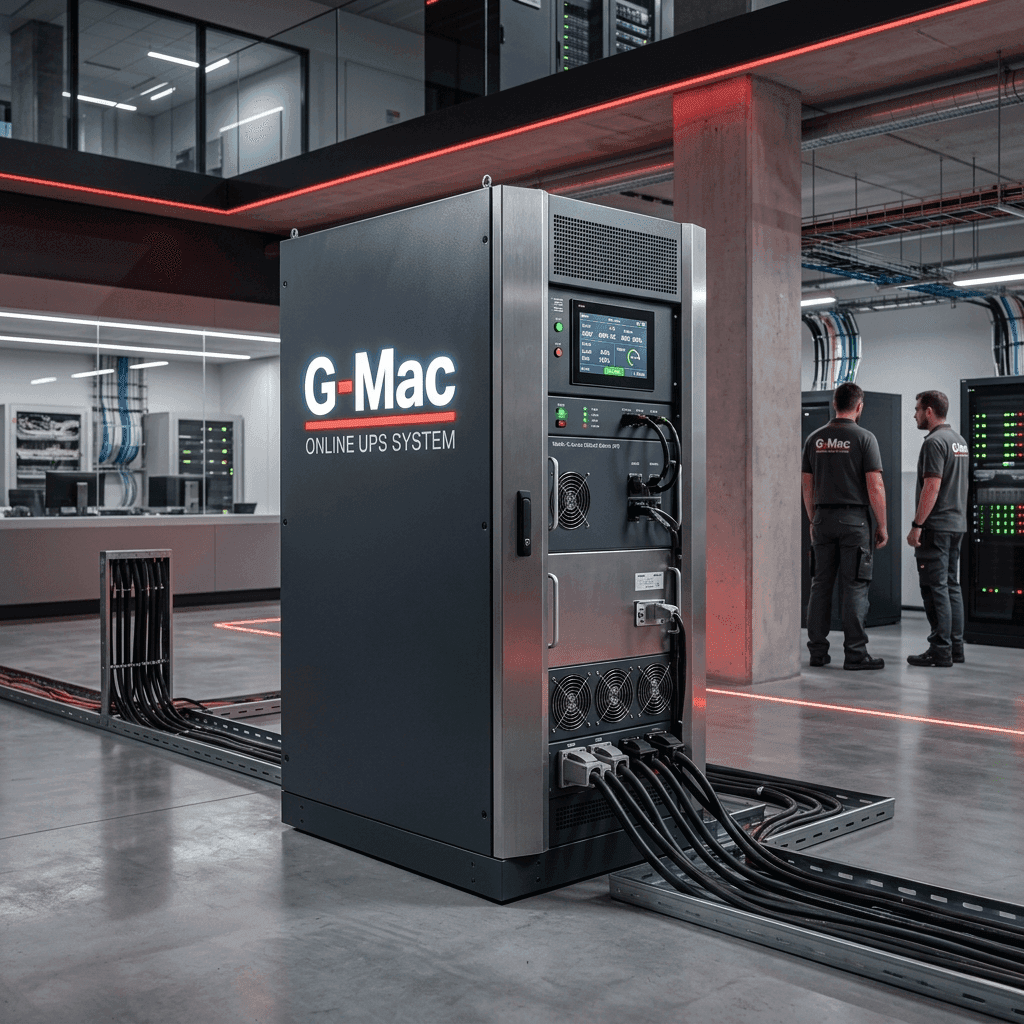
- UPS & Inverter Systems
- Emergency Lighting
- Security & Alarm Systems
- CCTV & Access Control
- Telecommunication Systems
- Fire Alarm Systems
- Solar Power Systems
- Medical Equipment
- Industrial Control Systems
- Emergency Backup Power
- IT & Networking Equipment
- Automatic Doors & Gates
- Railway & Transportation Systems
- POS & Retail Systems
- Standby Power Applications
Estimated backup runtime
Engineering estimate for 12V150Ah/10HR using V × Ah × DoD × 0.85 ÷ load (W) with 50% depth of discharge for lead-acid. Actual runtime varies with battery age, temperature, and inverter efficiency.
| Load (W) | Est. backup (hours) |
|---|---|
| 200 | 3.8 |
| 400 | 1.9 |
| 600 | 1.3 |
| 800 | 0.96 |
Reviewed by Engr. Lemon Mia, TNS Engineering Ltd. — Verified September 2026
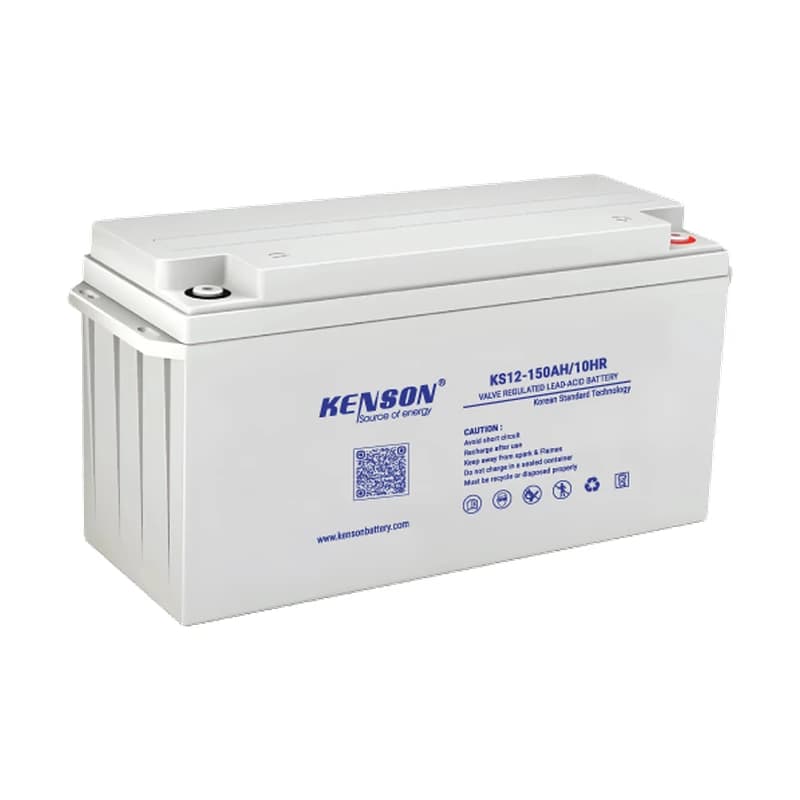
12V150Ah/10HR
Kenson KS12-150AH VRLA-SMF BATTERY from the official distributor in Bangladesh. Warranty, professional installation & 24/7 technical support from TNS Engineer
Official Distributor RatePrice on Request (B2B, Dealer & Retail)
Direct importer wholesale, dealer & corporate project pricing available. Get official quotation with invoice & warranty.
Genuine Warranty
Certified Quality
24/7 Field Support
TNS Engineering Ltd is the mother & main importer of Kenson in Bangladesh. Showrooms, IT shops, and dealers nationwide resell genuine products imported and warranted by TNS. Learn more about Kenson.
| Item / Parameter | Specification / Technical Value |
|---|---|
| Capacity | 12V150Ah/10HR |
| Model | KS12-150 |
| Brand | KENSON |
| Type | Sealed Lead Acid (SMF) |
| Warranty | 12 Months |
Application
- Industrial UPS & Backup Power Systems
- Data Centers & Server Infrastructure
- Telecommunications & Networking
- Industrial Automation & Control Systems
- Security, CCTV & Access Control
- Fire & Emergency Power Systems
- Medical & Healthcare Facilities
- Banking & Financial Infrastructure
- Manufacturing & Process Industries
- Solar & Renewable Energy Backup
- Railway & Transportation Systems
- Emergency Lighting & Critical Power Systems
Questions & Answers for 12V150Ah/10HR
Multiple batteries can be connected in series or parallel when permitted by the battery manufacturer and system design. Batteries should be properly matched in type, capacity, age, and condition. 12v150ah-10hr
Ah (ampere-hours) indicates electrical charge capacity, while Wh (watt-hours) indicates energy. A simple calculation is: Wh = V × Ah. Therefore, 12V × 150Ah gives approximately 1,800Wh.
If it is a rechargeable battery model, yes. However, the appropriate charging method depends on whether it is lead-acid, AGM, gel, lithium, or another battery chemistry.
Store the battery in accordance with the manufacturer's instructions. Keep it in a suitable, dry environment and follow the recommended storage state of
charge and periodic maintenance requirements.
Use the correct charger, avoid inappropriate deep discharges, maintain suitable operating temperatures, prevent overcharging, and follow the manufacturer's
installation and maintenance guidelines.
Outdoor use depends on the battery's enclosure, IP rating, temperature range, and manufacturer's specifications. Protect the battery from water, excessive heat, direct sunlight, and unsuitable environmental conditions unless it is specifically designed for outdoor installation.
The recommended operating temperature varies by battery chemistry and manufacturer. Always check the product datasheet for the specified charging and discharging temperature ranges.
Maintenance requirements depend on the battery type. Some batteries require periodic inspection or maintenance, while sealed batteries generally require less routine maintenance.
The battery's voltage, state-of-charge indicator, battery management system, or connected equipment may provide charging information. For accurate monitoring, use a compatible battery monitor or follow the manufacturer's recommended voltage limits.
It may be suitable for some applications, but compatibility depends on the vehicle's voltage, battery chemistry, current requirements, physical dimensions, and
battery-management or charging system.
Both may be labeled 150Ah, but their capacity ratings are measured at different discharge rates. A 10HR rating means the capacity is measured over approximately 10 hours, while a 20HR rating uses approximately 20 hours. The ratings should therefore be compared using the same testing standard.
A single 12V battery should not be connected directly to a 24V inverter. A compatible 24V battery bank, such as two suitable 12V batteries connected in series, may be required.
Use the correct charger and cables, avoid short circuits, install the battery according to manufacturer instructions, provide appropriate ventilation where required, and use suitable protective equipment during installation or maintenance.
Weight varies significantly depending on the battery chemistry and construction. Check the specific product
datasheet for the exact weight.
Battery life depends on chemistry, depth of discharge, charging practices, temperature, usage frequency and maintenance. The manufacturer's cycle-life or service-life specification provides the most accurate expectation for a particular model.
Check the battery chemistry, dimensions, weight, terminal type, charging requirements, discharge specifications, warranty, operating temperature range, expected service life, and compatibility with your intended application.
Depending on the specific battery design, common applications can include solar power systems, backup power, UPS systems, telecommunications equipment, emergency power systems, and other suitable DC applications.
A 12V 150Ah/10HR battery has a nominal voltage of 12 volts and a rated capacity of 150 ampere-hours when discharged over a 10-hour rate (10HR).
The rated capacity is 150Ah at the specified 10-hour discharge rate. The actual usable capacity can vary depending on load, temperature, battery condition, and discharge rate.
At the nominal rating, the theoretical energy is approximately 1,800Wh (1.8kWh), calculated as 12V × 150Ah. Actual usable energy depends on the battery type and operating conditions.
10HR means the battery's capacity is measured using a 10-hour discharge rate. For a 150Ah battery, this corresponds to an approximate test current of 15A.
Runtime depends on the power consumption of the connected equipment. For example, a 100W load theoretically requires about 8.3A at 12V, but actual runtime will be affected by efficiency, battery type, discharge depth, and other factors.
Yes, a 12V 150Ah battery can be used with a compatible 12V inverter, provided the inverter's voltage, current requirements, and battery specifications are suitable.
It can be used in solar energy systems when paired with a compatible solar charge controller, inverter, and properly sized solar panels.
It can power various DC devices or AC appliances through a suitable inverter. The appliances and runtime depend on their power consumption and the battery's usable capacity.
Charging time depends on the charger output, battery chemistry, state of discharge, charging efficiency, and charging profile. As a simple example, a 15A charger may require roughly 10 hours or more from a deeply discharged state.
Use a charger specifically designed for the battery's chemistry and voltage. The recommended charging current should always follow the battery manufacturer's specifications.
Not necessarily. A charger must be compatible with the battery type and its required charging voltage and current. Check the manufacturer's specifications
before connecting a charger.
Yes, provided the UPS is designed for a 12V battery system and its charging and
discharge requirements are compatible with the battery.
Official Bangladesh Distribution
Kenson Hub & Warranty →Explore Full Kenson Product Line & Warranty
TNS Engineering Ltd. is the official importer of Kenson batteries, pure sine wave IPS, and LiFePO4 storage in Bangladesh. Verify genuine products, check warranty terms, or find authorized dealers.